


Harmony Energy Park
IN DEVELOPMENT
About Harmony Energy Park
Harmony Energy Park is a proposed powered data park in Harmony Township, Cass County, North Dakota. The project is currently in development, and Geronimo Power is engaging with local residents, township officials and community leaders before moving into formal permitting.
Project Snapshot
- Size: The project is proposed as two main data center buildings with supporting infrastructure – similar in scope and size to those being constructed in Harwood – on a 640-acre site. Preliminary design provides substantial setbacks, and the site is expected to be 80% undisturbed or vegetated land.
The final location of these components is subject to change following final engineering and design; however, all project components will continue to comply with applicable township setbacks and standards. - Location: The project is located in Harmony Township in Cass County, North Dakota.
- Timeline: Construction must begin within four years after a conditional use permit is issued, unless an extension is granted by the Township. The anticipated construction period is approximately two to four years.
These FAQs address project-specific questions about Harmony Energy Park, including the proposed location, infrastructure, permitting, construction, environmental considerations, community benefits, and other local topics.
Project Purpose
1. Why did we choose this site for the Harmony Energy Park?
Cass County is already home to major energy infrastructure, including the Bison Substation and 345 kV transmission lines, with additional energy infrastructure planned in the area.
Environment
2. How much water will the data center use?
Everyday water use for restrooms, sinks, breakrooms, and other employee needs is expected to average about 15,000 gallons per day, with peak demand approaching 20,000 gallons per day, roughly equivalent to the water used by one commercial car wash. A water supply study indicated that up to approximately 50,000 gallons per day could be available for these everyday needs, meaning the project’s anticipated demand is well below the amount identified as available. For cooling, the project will use a closed-loop system that continuously recirculates the same fluid in a sealed network, similar to a car radiator. It does not require continuous water use during normal operations.
3. Where will the project's water come from?
Water for the closed-loop cooling system is sourced from a qualified off-site supplier and trucked in for the initial fill prior to operations. It is not drawn from the rural water district or from a well.
4. Will the data center affect local air quality?
The data center must meet all applicable state and federal air quality requirements. Any equipment that could generate emissions is subject to permitting, monitoring, and reporting requirements. The facility is expected to be powered by new generation resources, which may include renewable energy, battery storage, and/or natural gas. New generation facilities would be separately permitted and regulated. Emergency backup generators are also subject to emission limits and oversight by the North Dakota Department of Environmental Quality.
Energy and Electricity
5. How much electricity will the data center use?
The initial electrical service is expected to provide up to 540 MW of power to the project site, with the potential for future expansion subject to end-user demand and utility requirements.
6. How will this project affect my electric rates?
The data center is expected to be powered by new generation resources, which may include renewable energy, battery storage, and/or natural gas. Ratepayers would be protected from the costs associated with serving the new data center through the utility’s large load tariff, which has been filed with and is currently under review by the North Dakota Public Service Commission. This tariff is designed to ensure that costs incurred to serve data centers are paid entirely by the data centers themselves, rather than by other customers.
Sound and Appearance
7. How loud will the data center be?
Under the township ordinance, data centers are limited to 45 dBA within 100 feet of an inhabited residence or community building. For comparison, the nearby Casselton soybean processing facility was permitted at 60 dBA during the day and 55 dBA at night.
8. What will the data center look like?
The data center is expected to be a campus-style commercial facility. Current plans place the data center buildings at least one mile from inhabited residences or community buildings, and at least 500 feet from non-participating property lines and Township right-of-way. Potential design features include neutral exterior colors, materials selected to reduce visual contrast, a campus-style layout, and shielded, downward-directed lighting that meets Harmony Township zoning requirements.
Economic Impact
9. How many jobs will the project create?
The project is expected to support up to 1,500 temporary construction jobs over the approximately two-to-four-year construction period, and up to 150 permanent jobs once operational. Those workers are also expected to support local businesses, including hotels, restaurants, gas stations, construction suppliers, and other service providers in the area.
10. How will the project contribute to local tax revenue?
The project is expected to generate significant local tax revenue, with estimates of approximately $72 million over a 20-year period, or roughly $3 to $4 million annually. These revenues will be distributed among local taxing jurisdictions and can help support local services, infrastructure, schools, and other community priorities as determined by local governments.
- Specific tax revenue to local schools: When combined with the Harmony Solar and Storage projects, the projects are projected to be 23% of Mapleton and Central Cass school districts’ combined tax base; which means that for every $1.00 the school boards may need to raise, the projects are projected to pay roughly 23 cents.
Public Participation
11. Does Geronimo Power ask public officials to sign NDAs?
No. We do not sign non-disclosure agreements (NDAs) with public officials.
12. How can I stay informed about the project and upcoming public meetings?
The local permitting process provides the opportunity for formal public input. Project updates will be shared through Geronimo Power’s project communications and community outreach efforts. Geronimo Power has attended township meetings, held information sessions, and engaged directly with residents and community leaders ahead of filing an application, and has established a local community advisory committee to help guide charitable giving and identify local priorities.
Built for Community. Designed for Tomorrow.
Bringing new jobs, long-term investment, and community-driven benefits to Cass County. Harmony Energy Park is designed to strengthen local economies, support public services, and create lasting opportunities for the region’s future. Geronimo Power is developing Harmony Energy Park with a focus on transparency, local input and long-term community value.
As planning continues, Geronimo Power will continue gathering feedback from residents, township representatives and local leaders. Community questions and concerns, including water, noise, traffic, roads, stormwater, lighting and other potential impacts, will be addressed through project design, development and permitting.
Project Benefits
- Local Tax Revenue: The project is expected to generate significant local tax revenue, with estimates of approximately $72 million over a 20-year period, or roughly $3 to $4 million annually. These revenues will be distributed among local taxing jurisdictions and can help support local services, infrastructure, schools, and other community priorities as determined by local governments.
- Specific tax revenue to local schools: When combined with the Harmony Solar and Storage projects, the projects are projected to be 23% of Mapleton and Central Cass school districts’ combined tax base; which means that for every $1.00 the school boards may need to raise, the projects are projected to pay roughly 23 cents.
- Jobs: The project is anticipated to support 1,500 jobs during development and construction and up to 150 permanent jobs once operational.
- Charitable fund: The project is expected to contribute an estimated $10 million over 20 years, or $500,000 annually, to a charitable fund for local priorities, directed by a local advisory committee made up of community leaders and residents.
- Community giving: As part of Geronimo Power’s 10+ years in the community, the company has made several donations to local organizations that are not specific to any one project but are representative of its community-focused values. Recent donations include Central Cass School District, Rural Cass County Emergency Food Pantry, Mapleton Lions Club, and Central Cass Treehouse.
Have a question? We want to hear from you! Contact the Harmony Energy Park project team at [email protected].
Community-Focused Development
At Geronimo Power, we believe strong projects are built on strong community relationships. Explore the stories, videos, and local updates below to see how we’re connecting with neighbors, supporting local initiatives, and staying engaged in the communities surrounding Harmony Energy Park.
Neighborhood News
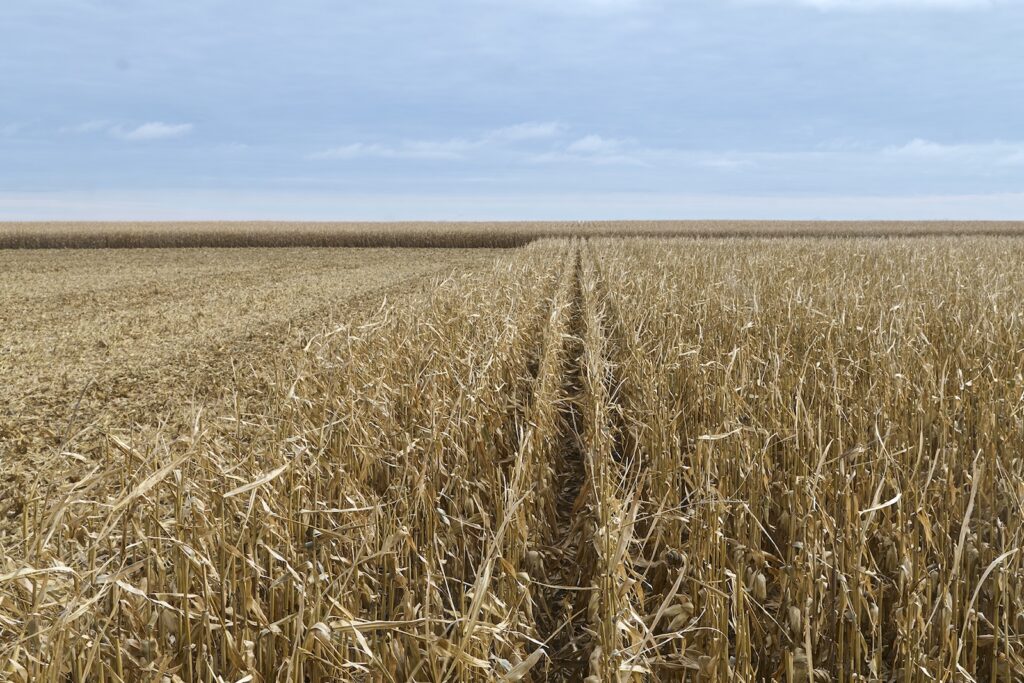
When planning began for more local giving in Cass County, North Dakota, we knew community support should not be based on assumptions. It should be guided by the people who know the area best. That is why we formed a community advisory committee made up of about eight local neighbors, including business and technology leaders, bankers, elected officials, school and youth advocates, farmers, parents, and longtime residents.
When a project is going to be part of a North Dakota community for decades, the benefits should be too. That's the thinking behind the community fund tied to the Harmony Solar project: an annual $50,000 commitment designed to support local causes for years to come.
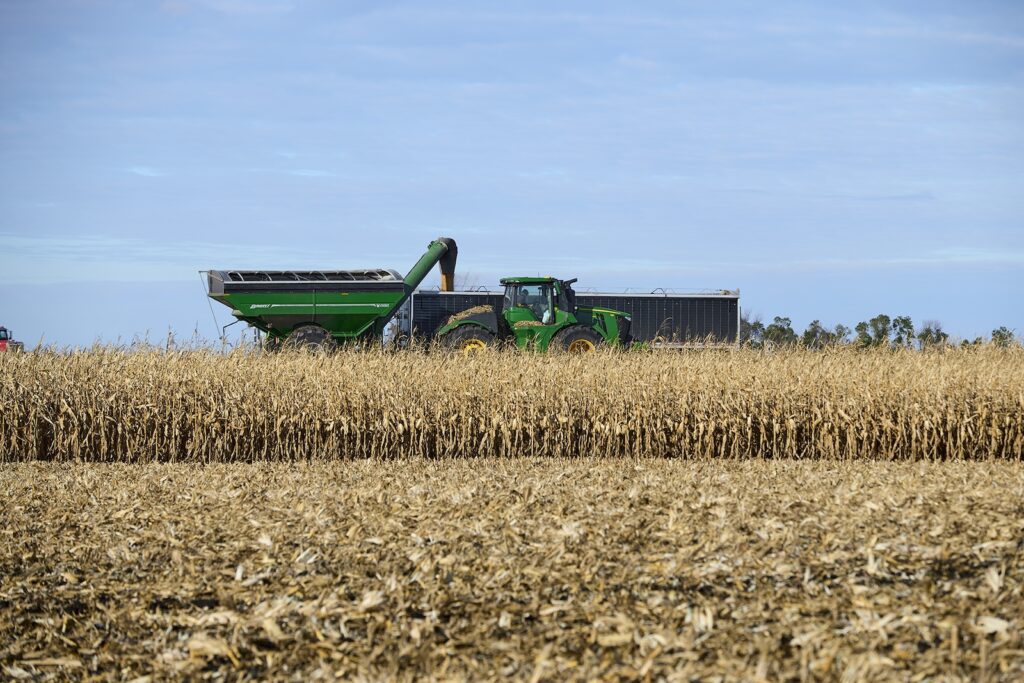
Through support provided by Geronimo Energy, now Geronimo Power, Harmony Solar committed $25,000 to the effort through five $5,000 donations made in 2017, 2018, 2019, 2021, and 2025. As one of the campaign's early donors, the company's support helped generate momentum for additional contributions from organizations and community members who shared the district's vision for the future.
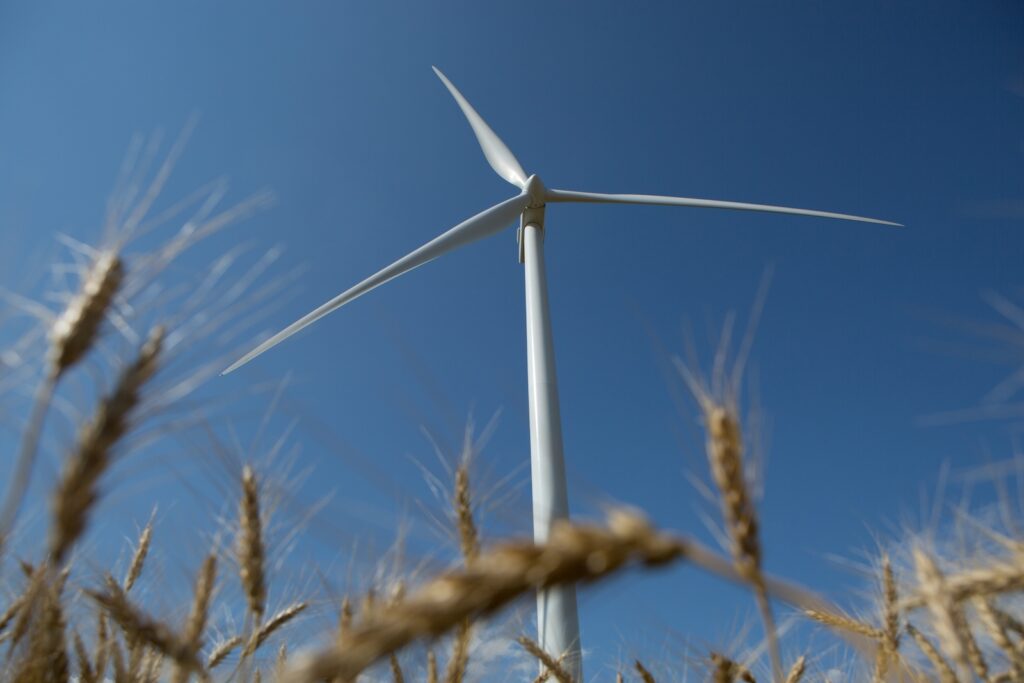
One thing we hear again and again in North Dakota communities is that families want their kids to see a future close to home. Prosperity Wind Farm is helping support that future through classroom engagement and STEM education.

When the town was putting the celebration together, we asked what would actually help. The answer was laser tag. So that's what we backed: a $1,000 sponsorship to bring it to Page Community Days.
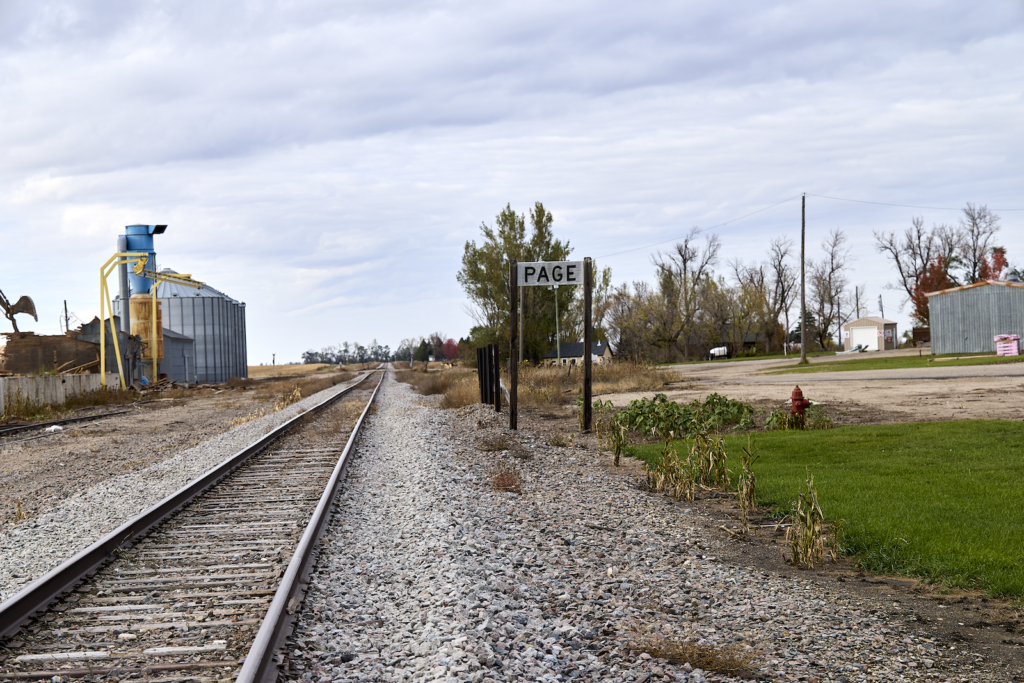
Each summer, the community of Page, North Dakota, comes together for Page Community Days, a four-day celebration that highlights local businesses, community spirit, and small-town traditions.
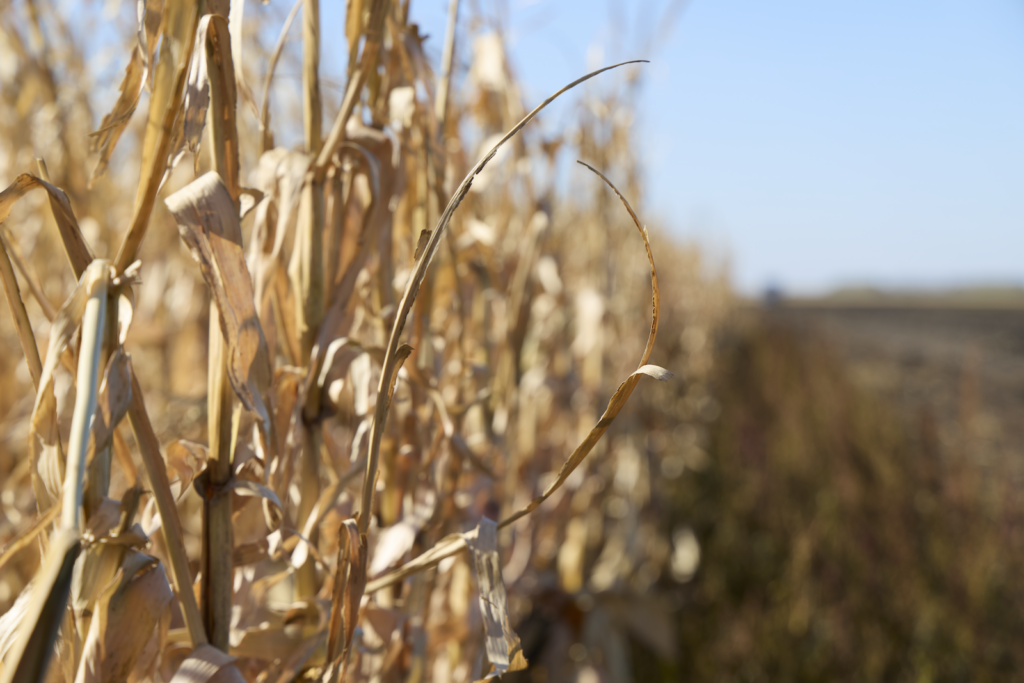
When we asked our community advisory committee where Geronimo Power's first $10,000 monthly donation should go in Cass County, North Dakota, the answer came quickly: the Rural Cass County Emergency Food Pantry.
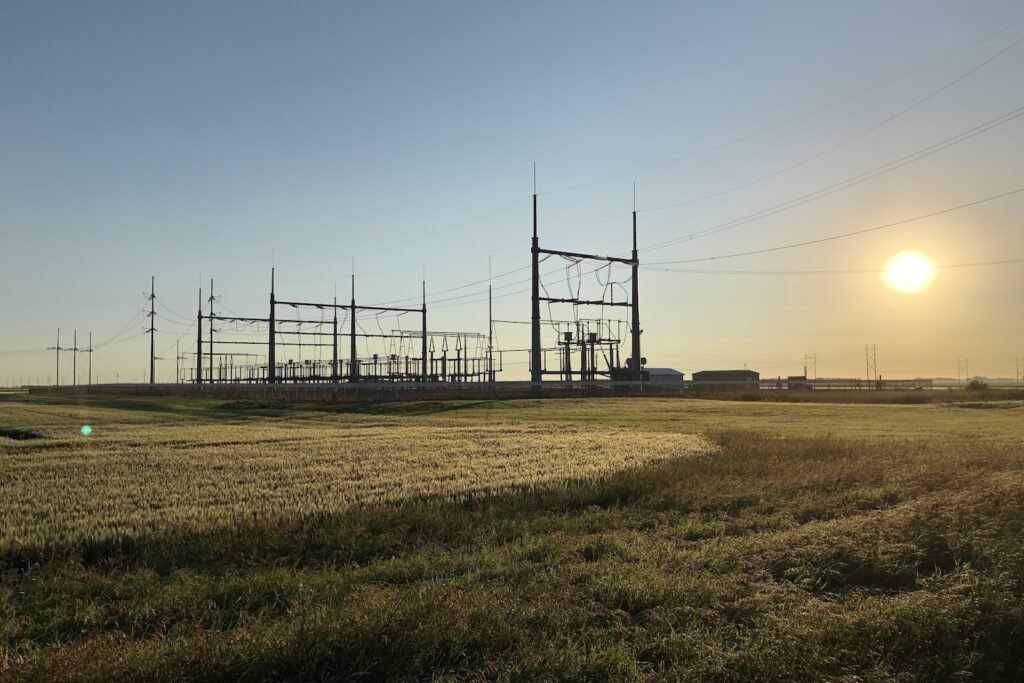
Ask anyone in Mapleton, North Dakota, who shows up when the community needs a hand, and the Lions Club will likely be near the top of the list. That local impact is what led Geronimo Power's community advisory committee, made up of local residents who help identify where giving can have the greatest impact, to recommend the Mapleton Lions Club as the recipient of July's $10,000 monthly donation.
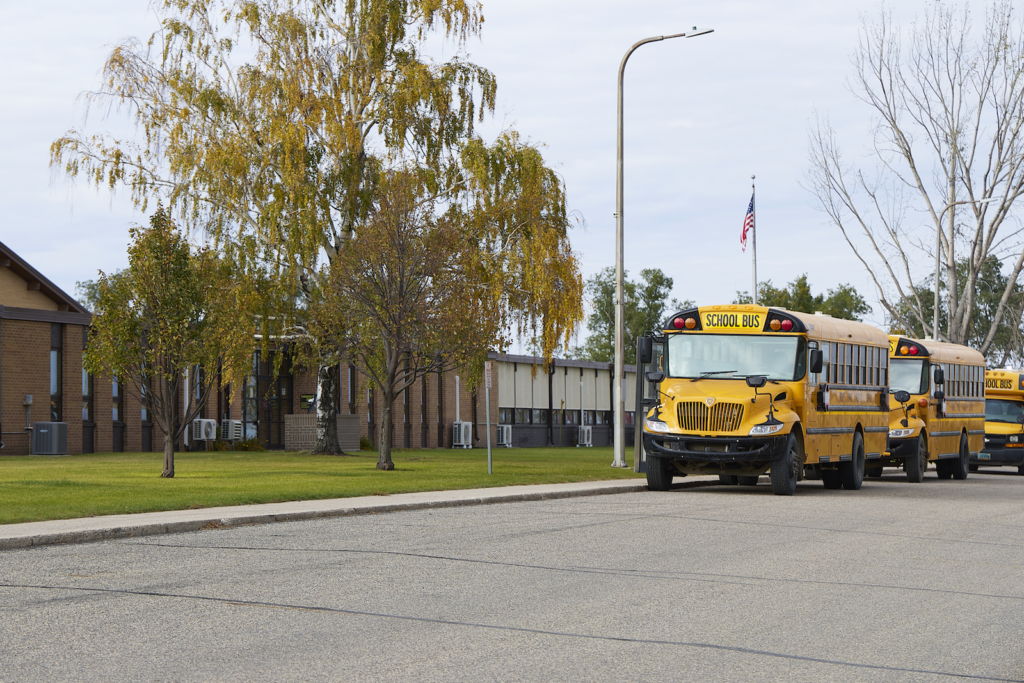
When Geronimo Power's community advisory committee, local Cass County residents who help us understand what matters here and where our giving should go, weighed August's $10,000 donation, students were an easy call. August's gift went to the Central Cass Treehouse to provide clothing, hygiene items, and food to Central Cass students at all grade levels.
Videos

Modern farmers are using cutting-edge technology to meet one of the world’s greatest challenges: producing more food with fewer resources. This video showcases how innovations such as artificial intelligence, automation, real-time monitoring, and precision farming techniques are helping farmers boost productivity, reduce waste, and sustainably feed a growing global population.

Today’s farms are powered by more than tractors and hard work. From sensors and drones to AI-driven analytics and autonomous equipment, precision agriculture is transforming how farmers grow food. This video explores the technologies shaping the future of farming and highlights how data-driven tools help producers improve efficiency, increase yields, and make smarter decisions in the field.
North Dakota has always been built on hard work, strong communities, and responsible investment. Learn how Geronimo Power is bringing those same values to data center development.
Learn how data centers help stabilize local electric grids, including electricity bills.
Downloadable Documents
Anticipated Commercial Operation Date
General Inquiries
Updates on Harmony Energy Park
Let’s Talk Harmony Energy Park
Have questions about the proposed Harmony Energy Park? Join members of the Geronimo Power team for coffee or connect with us during office hours.
Join us for breakfast
Breakfast and coffee are on us. Stop in whenever it works for you.
Thursday, Oct 8 | 7:00 – 9:00 a.m.
Muddy Boots
649 Knutson St Ste 100
Mapleton, ND 58059
Stop by our office
Casselton office
26 6th Avenue North
Casselton, ND 58012
Casselton office
26 6th Avenue North
Casselton, ND 58012
Tuesdays | 5:00 – 6:00 p.m.
October 6
Wednesdays | 8:00 – 9:00 a.m.
October 7

