


Data Centers in Michigan
This website is provided for educational purposes and does not represent legal advice. State and federal data center regulations are changing fast, and so are data center technologies and industry practices. While we try to keep this website up to date, we cannot guarantee the information is always 100% current. Please verify the information with your local government, when in doubt.
Frequently Asked Questions
Won't data centers raise my electric bill?
The Michigan PSC works in the open — the dockets are public and searchable. Michigan regulators have approved dedicated large-load rate frameworks, whose intent is to maintain proper cost-allocation specific to large load electric customers.
Will data centers wreck Michigan's clean energy progress?
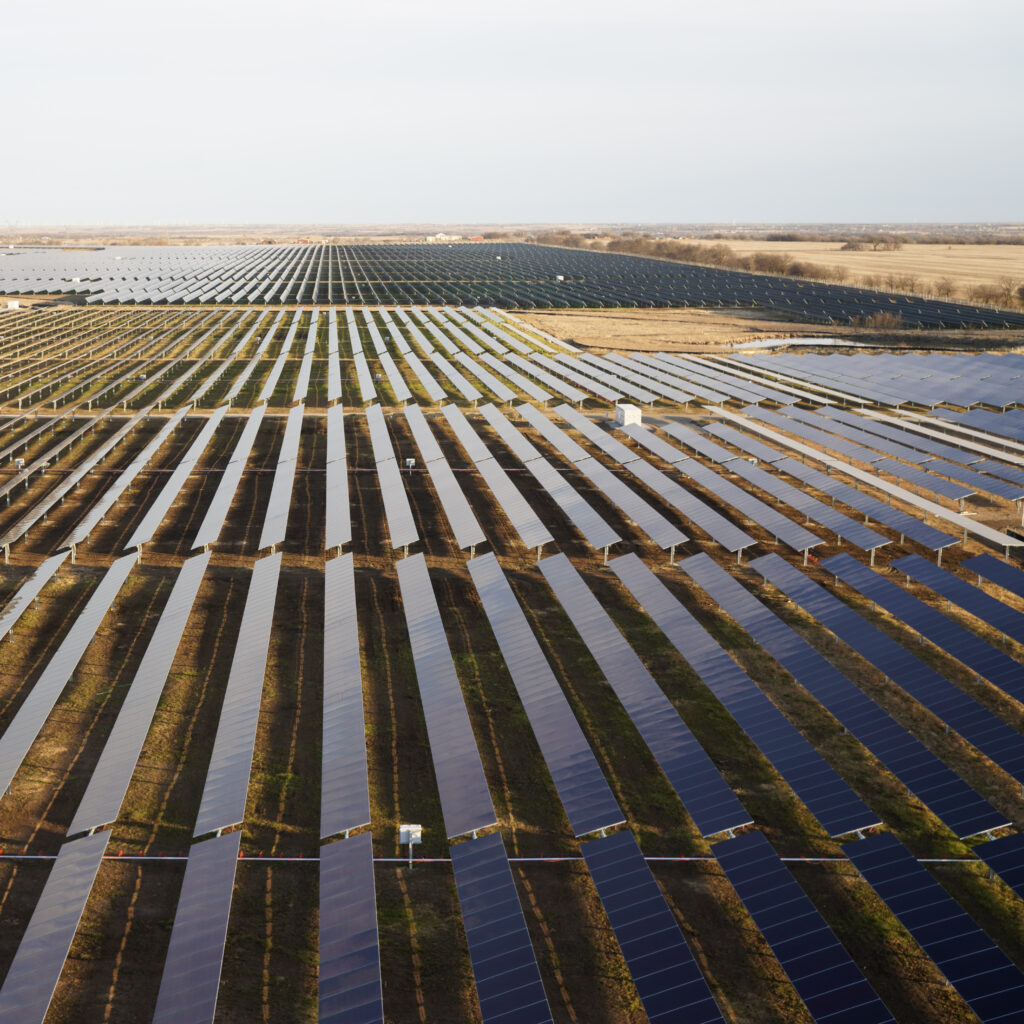
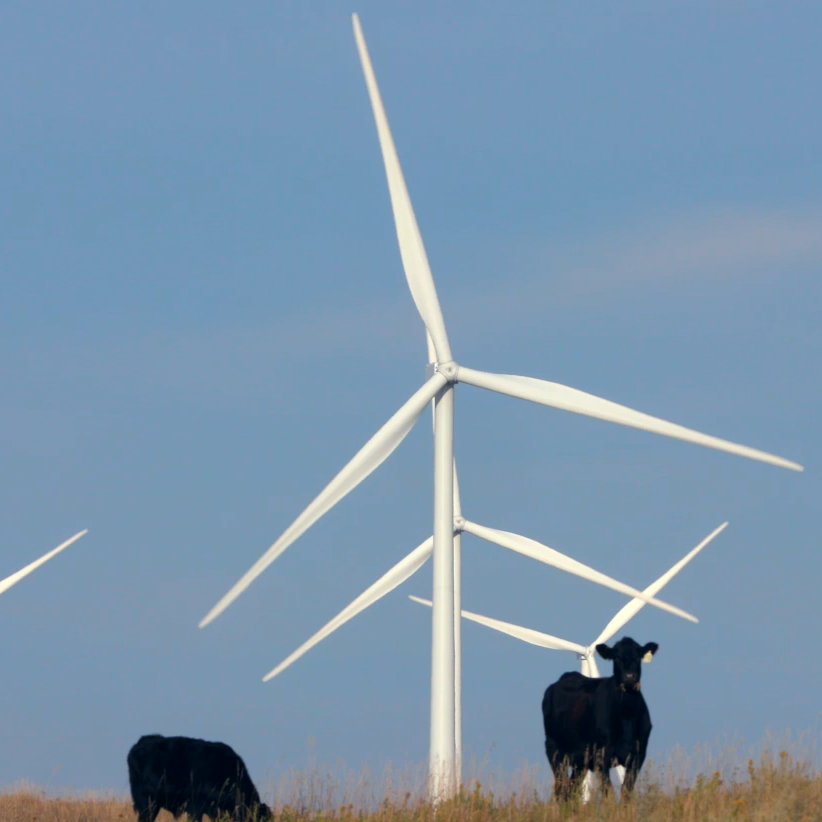
Michigan’s 2023 clean energy law committed the state to 100% carbon-free electricity by 2040, and it applies to the power serving these facilities with no data center exception. Large customers seeking dedicated supply increasingly contract for new clean generation, adding resources to the grid everyone shares.
Are data centers getting a free ride on taxes?
Michigan’s 2025 data center sales-and-use tax exemption states that qualifying facilities face job requirements, and the law includes provisions favoring redevelopment of brownfield and former industrial sites. It covers equipment purchases, and projects still generate local property value and employment.
What about our water?
Large withdrawals are governed by Michigan’s water withdrawal law, which requires the Water Withdrawal Assessment Tool and, above threshold volumes, an EGLE permit. Great Lakes water is protected by the multi-state Great Lakes–St. Lawrence River Basin Water Resources Compact — given federal force by the U.S. Congress in 2008. Data centers get no exemption. Site water plans are reviewed publicly during permitting.
What about noise?
Your township, city, or county ordinance is the operative noise document, and for projects on unincorporated township land the noise conditions get written into the special land use permit or development agreement.
Who decides where these get built?
Your township, city, and county. Under the Michigan Zoning Enabling Act, zoning, setbacks, screening, and construction conditions are local decisions made in public meetings. Backup generators require air permits from EGLE.
What does my community actually get?
Construction employment at scale, permanent skilled jobs, redevelopment of underused industrial land, expanded tax base, and grid investment.